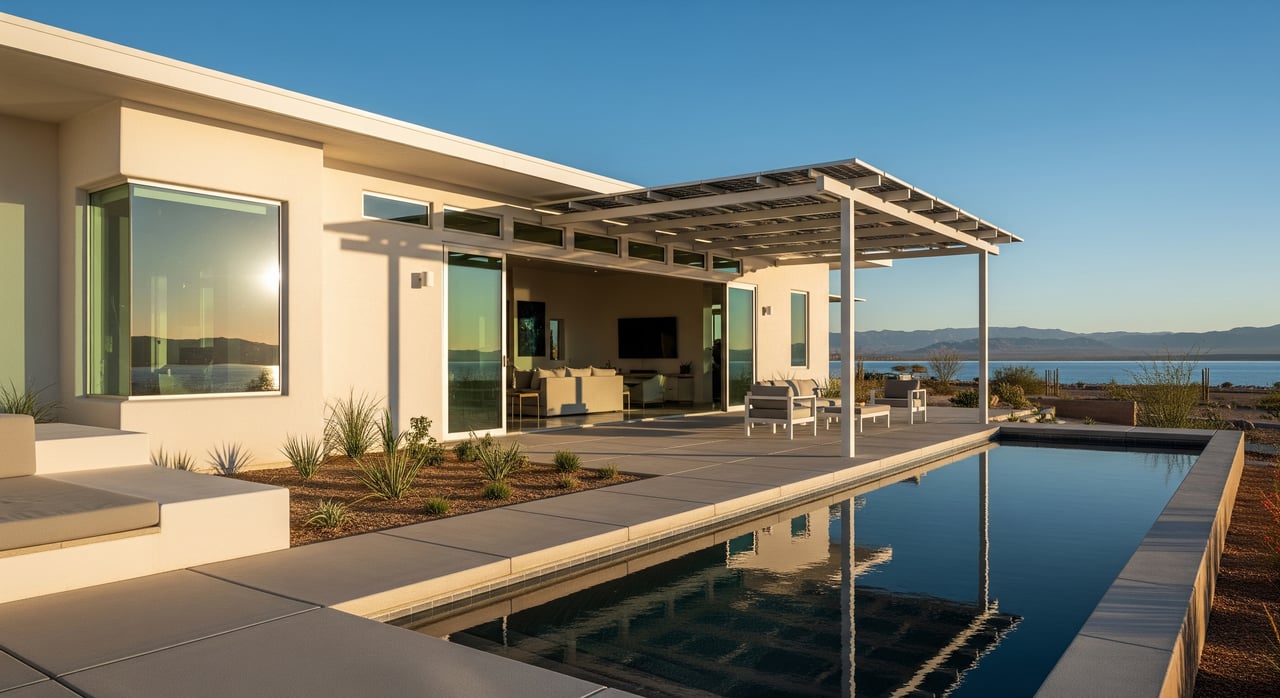
Triple-digit days are part of life in The Refuge, but sky-high energy bills do not have to be. If you feel like your AC never rests, you are not alone. You want a cooler, quieter home without sacrificing comfort or spending a fortune. In this guide, you will find practical, locally relevant steps that work in Lake Havasu’s desert heat, from simple window shading to smart thermostat settings and HVAC tune-ups. Let’s dive in.
Know your Lake Havasu heat
Lake Havasu City sits in a hot, arid climate with a long cooling season. Daytime highs often soar well above 100°F, which drives up afternoon and early evening electricity demand. These conditions make roofs, attics, and west-facing windows the biggest sources of unwanted heat. Reviewing local weather patterns through NOAA climate summaries helps you plan for peaks and shoulder seasons.
Utilities in Arizona often use time-of-use rates that make late afternoons more expensive. Pre-cooling your home earlier in the day and using smart scheduling can cut costs. To see potential rebates or rate programs for efficiency upgrades, check the Database of State Incentives at DSIRE.
Start with the building shell
The fastest way to reduce AC runtime is to block heat before it enters the home. Focus on your roof, attic, and windows for the biggest gains.
Roof and attic upgrades
Your roof takes the brunt of summer sun. Improvements here can noticeably lower cooling demand in our climate.
- Cool roof or reflective coating: Light or reflective surfaces absorb less solar heat. In hot, sunny regions, this can reduce roof temperatures and help AC run less. Find guidance through the Department of Energy’s Energy Saver resources.
- Radiant barrier: A reflective foil installed along the underside of the roof deck helps limit heat transfer from a hot attic into living spaces. This is often cost-effective where attics run very hot.
- Attic insulation and air sealing: Adequate insulation and sealing attic air leaks work together to keep heat out. Proper attic ventilation also helps limit heat buildup. The DOE recommends combining air sealing with insulation for the best results.
Tip: If your home is due for roofing work, ask contractors about cool roof options and whether a radiant barrier or attic air sealing can be added during the same visit.
Windows and exterior shading
West- and south-facing windows are major heat gain sources in late afternoons. Stopping sun before it hits the glass is key.
- Exterior shading: Solar screens, exterior roller shades, shade sails, awnings, trellises, and pergolas block sunlight effectively. These usually outperform interior blinds during peak sun.
- Window film and low-e glass: High-quality window films and low-emissivity glazing reduce radiant heat transfer. If your windows are nearing replacement age, consider energy-efficient models with an appropriate solar heat gain coefficient (SHGC). See guidance from ENERGY STAR.
- Interior shades: Cellular shades, insulated drapes, and reflective blinds help when closed during the hottest parts of the day. They are a good backup when exterior shading is not allowed or not yet installed.
Planning note for The Refuge: Confirm HOA design guidelines before adding awnings, pergolas, or exterior roller screens. Visible shading elements may require approval.
Landscape shade that lasts
Desert-adapted shade trees and large shrubs can cool sun-exposed walls and windows, especially on west and south exposures. Trees take time to mature and need water, but their long-term impact on comfort can be significant. Use drought-tolerant species suitable for Mohave County and place them to shade walls and glass during late-afternoon sun.
Tune and control your cooling
Well-maintained equipment and smart controls can hold down bills without giving up comfort.
HVAC maintenance and ducts
A yearly tune-up keeps your system close to its rated efficiency.
- Annual service: Have a pro clean coils, check refrigerant, verify blower performance, and replace filters. Routine maintenance supports efficiency and system life. See DOE guidance at Energy Saver.
- Duct sealing and insulation: Leaky or uninsulated ducts, especially in the attic, can waste energy and create hot rooms. Sealing and insulating ducts can improve comfort and reduce costs.
- Right-size the system: Oversized units short-cycle and can struggle with comfort. Undersized units cannot keep up on peak days. Ask for ACCA-compliant load calculations when replacing equipment. Learn about best practices from ACCA.
Smart thermostats that actually save
Smart and programmable thermostats help you avoid cooling an empty home and take advantage of lower-rate times.
- Settings that work: Many households do well with about 78°F when occupied and a few degrees higher when away. Each degree of setback can reduce cooling energy use, but avoid extreme setbacks that let the house overheat.
- Typical savings: Studies referenced by DOE and ENERGY STAR show that smart or programmable thermostats often deliver single-digit to low double-digit percentage savings when used well. Results depend on your home and habits. Explore thermostat guidance from ENERGY STAR.
Supplemental options to consider
- Evaporative coolers: These can be effective in low humidity and use less electricity than traditional AC. They add indoor moisture and may be less effective on the hottest afternoons or in homes that rely on central, ducted AC.
- Whole-house fans and night flush: When nights cool off, pulling in cooler air can help, especially outside of peak midsummer heat. Use when outside air is comfortably cooler than indoors.
- Mini-splits and zoned cooling: Ductless heat pumps provide efficient cooling for specific rooms, which can reduce central AC runtime.
Manage peak demand and rates
Time-of-use rates are common in Arizona. Align your schedule with pricing where possible.
- Pre-cool earlier in the day, then coast through peak hours with help from shades and fans.
- Use smart thermostat schedules to limit cooling during peak pricing.
- Check your utility for rate options and demand-response programs. For incentives and program links, start with DSIRE.
Quick wins you can do this week
Not every improvement requires a major project. Start small and build from there.
Low- and no-cost actions
- Close blinds or shades on east, south, and west windows during the day.
- Run ceiling fans in occupied rooms to feel cooler at a slightly higher thermostat setting. Turn fans off when rooms are empty.
- Replace or clean filters on schedule to maintain airflow.
- Weatherstrip doors and caulk obvious air leaks.
- Set the thermostat higher when away and use schedules or geofencing to avoid cooling an empty home.
Mid-cost upgrades
- Add solar screens or exterior roller shades on high-gain windows.
- Improve attic insulation and air sealing.
- Seal and insulate ducts in the attic or other unconditioned spaces.
- Install a smart thermostat. Typical retail pricing ranges from about $100 to $300 depending on model.
Bigger investments
- Apply a cool roof coating or plan a cool roof with your next reroof.
- Upgrade to high-performance windows when your existing units are due for replacement.
- Replace older AC with a high-efficiency system or add a ductless mini-split to reduce runtime on your main unit.
- Plant shade trees for long-term benefits.
Cost and savings snapshots
- Smart thermostat: About $100 to $300 for common models. Studies show typical savings often fall in the single-digit to low double-digit percent range when used well.
- HVAC tune-up: Often around $75 to $200 for an annual service. Regular maintenance helps preserve efficiency and comfort.
- Duct sealing: Retrofits can range widely, often about $300 to $2,000 depending on scope. Savings and comfort gains can be substantial in leaky systems.
For technical reviews on efficiency measures and their impacts, see resources from the American Council for an Energy-Efficient Economy.
Safety first in extreme heat
Heat can be dangerous for older adults, infants, and anyone with chronic conditions. Make a plan for reliable cooling, hydration, and check-ins with neighbors or family during heat waves. Learn heat illness signs and prevention tips from the CDC’s extreme heat guidance. Check Lake Havasu City and Mohave County updates for cooling centers and local alerts during prolonged heat events.
Permit and HOA checks in The Refuge
Before you add exterior shading, change roof colors, or build a pergola, confirm The Refuge HOA design rules. You may also need city permits for shade structures, electrical work, or HVAC replacements. Hire licensed contractors, request references, and ask for ACCA-compliant load calculations and written estimates. For incentives or rebates on equipment or smart thermostats, start with DSIRE and your local utility’s website.
Ready to cool your Refuge home smarter?
If you are planning upgrades before listing, or you just want a more comfortable summer, we can help you prioritize what pays off in The Refuge. Our team can share trusted local contractor referrals and help you time improvements with market goals. To talk through options or prep for a sale, reach out to The Denovan Group to Get a Free Home Valuation and a plan tailored to your home.
FAQs
What are the best first steps to lower summer AC bills in The Refuge?
- Start with exterior window shading on west- and south-facing glass, seal and insulate ducts, and schedule an HVAC tune-up. These deliver strong comfort and cost benefits in our desert climate.
Do solar screens and exterior roller shades really help?
- Yes. Exterior shading blocks sunlight before it hits the glass, which is more effective than interior blinds during peak afternoon sun. It is a fast, mid-cost upgrade with immediate results.
Can I rely on a swamp cooler in Lake Havasu City?
- Evaporative coolers work best in low humidity and can save electricity, but they add indoor moisture and may be less effective on the hottest afternoons. Compare comfort needs against your central AC setup before investing.
What thermostat schedule works well in desert heat?
- Many households aim for about 78°F when occupied and higher when away. Use a smart thermostat to pre-cool before peak rates, then coast through late afternoon with shades and fans.
Are there rebates or incentives for efficiency upgrades in Mohave County?
- Often yes. Check the Database of State Incentives at DSIRE and your utility’s website for current programs on smart thermostats, HVAC, duct sealing, and insulation.