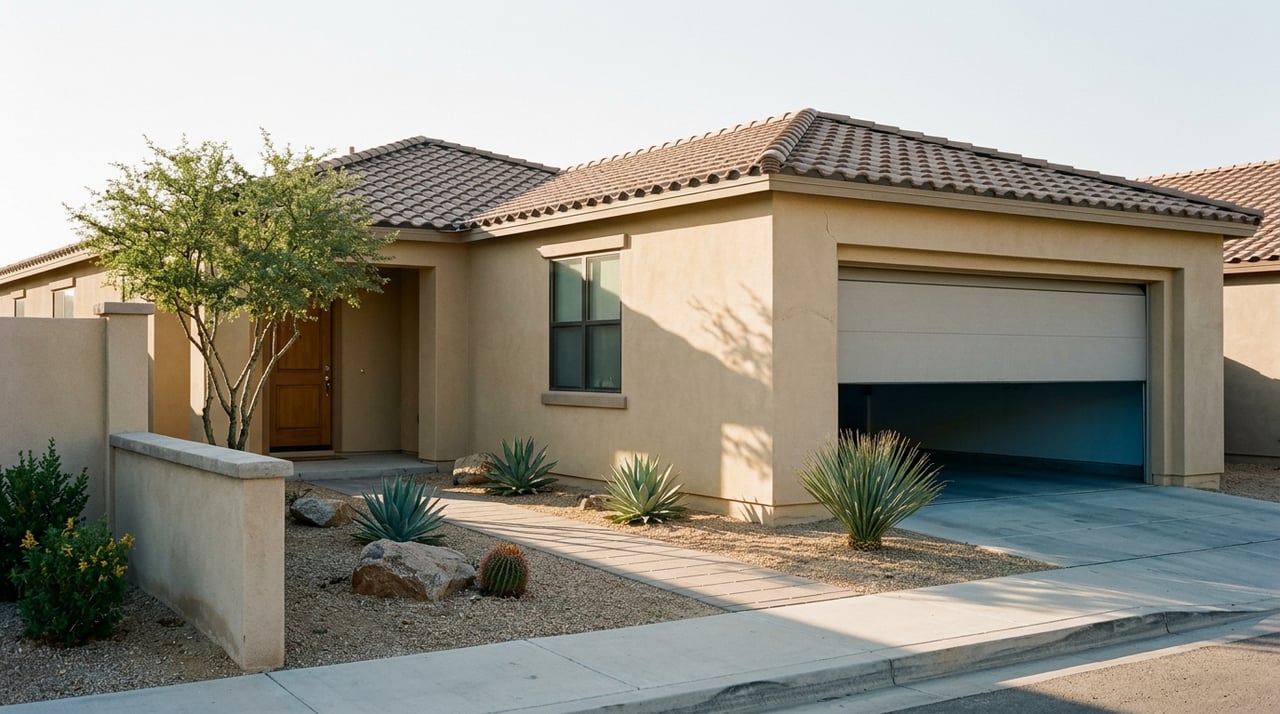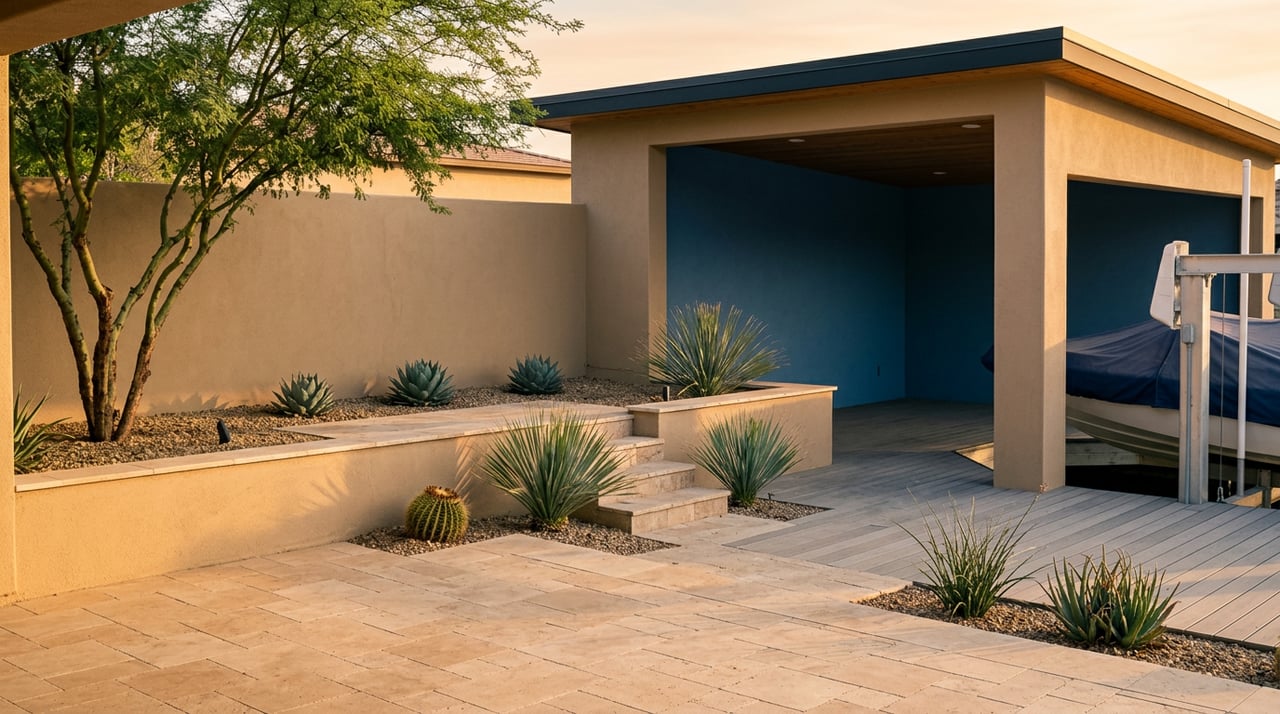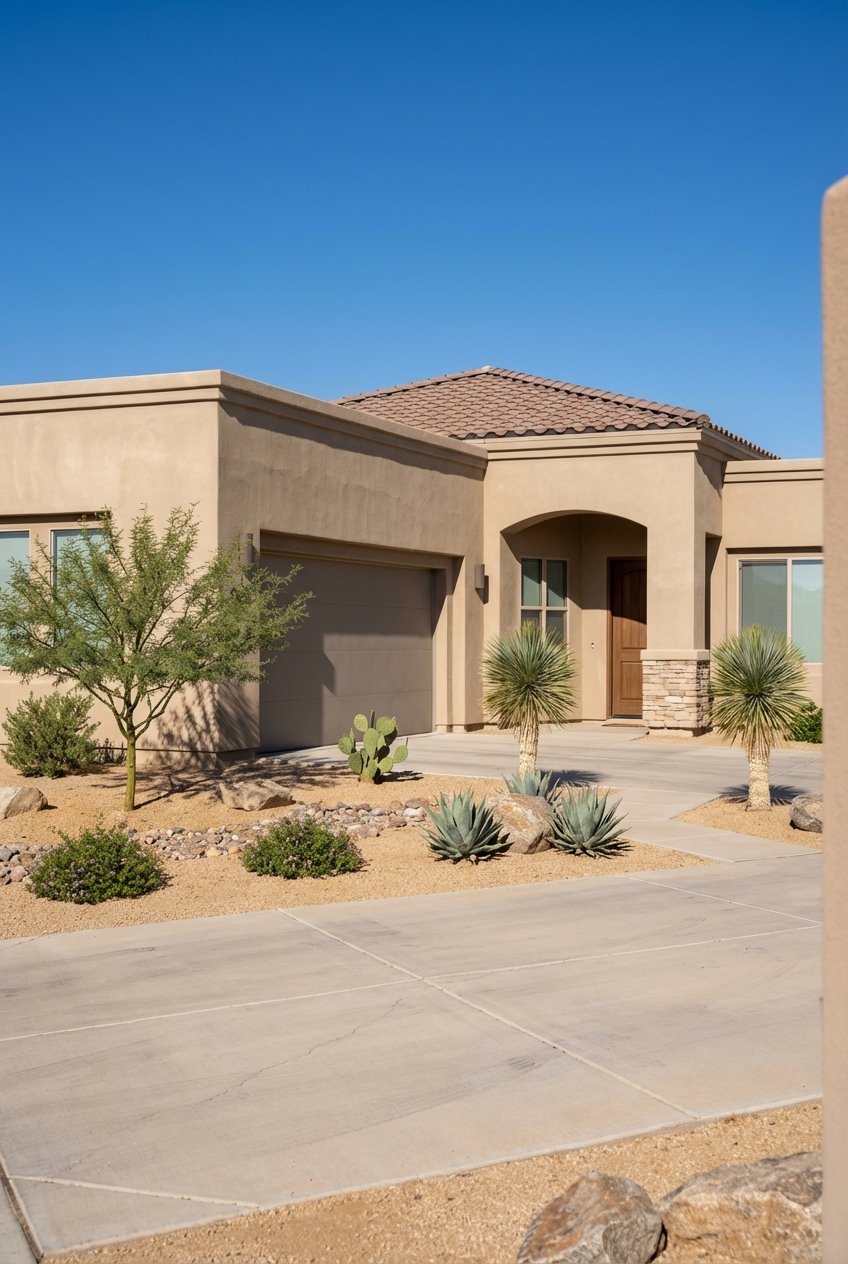
Thinking about selling your home in Residential Estates and unsure where to price it? You are not alone. This neighborhood blends golf course living, big-sky lake views, and outdoor features like RV garages and pools, so pricing can feel complex. In this guide, you’ll learn how top agents build a defensible price, what drives value here, and how to launch strong so you do not leave money on the table. Let’s dive in.
Today’s market reality in Residential Estates
Residential Estates is a premium pocket in Lake Havasu City with larger lots, golf and lake vistas, and an outdoor lifestyle that many buyers want. It typically sits above the city’s overall median values, but today’s pricing still has to match what buyers are willing to pay right now.
Broader trends matter. City and county inventory, mortgage rates, and seasonal second-home demand all influence how quickly a home gets offers. Industry commentary points to a market that cooled from its 2021–22 peak, which means buyers have more room to negotiate and homes can take longer to sell. In this setting, a precise, evidence-based price tends to outperform an optimistic guess. Guidance from industry groups also shows that overpricing often leads to longer days on market and later reductions, which can lower your final net.
What moves the needle on price
View corridors
A clear golf fairway, mountain, or lake view can be a major premium because buyers see and feel the difference. Appraisers and agents quantify view value with matched pairs, a method that compares very similar recent sales that differ mainly by the view to isolate a defensible dollar or percent impact. You can learn more about standard sales-comparison and view adjustments in this state appraisal manual overview from Colorado’s assessor community, which reflects common practices nationwide: sales-comparison and adjustment guidance. Academic work on lake proximity backs the idea that scenic and water views add value and that the premium often declines with distance from the water. See an example of that methodology in this hedonic property value study on lake quality and proximity.
Lot and outdoor utility
Bigger lots can be worth more, but usable outdoor space matters most in Residential Estates. Buyers respond to room for a pool, RV parking or garage, covered patios, and unobstructed backyard views. In a comparative market analysis, agents express land differences using per-square-foot or per-acre land value derived from local sales, then adjust for features that make the space more livable.
Condition and high-value upgrades
Well-executed updates in kitchens and baths, refreshed surfaces, and modern systems can influence both price and time on market. Independent research on resale projects shows some updates recoup more of their cost than others. For examples and benchmarks, review the latest Cost vs. Value report. Documentation matters too. Permits and invoices make it easier to justify adjustments for improvements in the appraisal and negotiation.
Legal and access differences
Not every home with a lake view has deeded access, dock rights, or membership obligations. Those rights and fees, when present, can change value. Always verify parcel-specific rights and any recurring costs in title, recorded documents, and HOA or club materials before you set price. Avoid blanket assumptions because terms vary by street and by lot.
Micro-location in the tract
An on-fairway position with an open backdrop usually commands more than an interior lot with no view. Corner lots, cul-de-sacs, and sunset orientation can also influence price. Agents test these differences by comparing recent sales inside the same micro-area and applying paired-sales logic to translate the site advantages into supported adjustments.
How to price your Residential Estates home
1) Define your target buyer and positioning
Residential Estates attracts a mix of full-time residents, second-home owners, and retirees who value the lake and golf lifestyle. That means buyers focus hard on views, outdoor living, and plenty of vehicle or toy storage. To understand why that lifestyle resonates in Lake Havasu, you can read about its draw for retirees and second-home buyers in this Investopedia overview of the area. Clarify which strengths your home delivers so your price and marketing line up with the right audience.
2) Build a tight comp set
Start with recent solds in Residential Estates from the last 3 to 6 months. If activity is slow, look back 6 to 12 months, but weigh more recent and more similar sales most heavily. Aim for three to six closed sales plus two to four active and pending listings to understand your competition. Appraisers favor the most similar, most recent comparables and rely on paired sales to test adjustments. For the underlying logic of that approach, see this sales-comparison method summary.
3) Quantify adjustments, not guesses
- View: Find pairs of similar homes that differ mainly by view or course adjacency to reveal a defensible premium. If perfect pairs are scarce, use your best, most similar sales and explain your logic.
- Lot size and utility: Derive land value per square foot using vacant land sales or extraction methods from improved sales. Then adjust for usable outdoor features like RV parking and pool-ready space.
- Upgrades: Use local sales that show price lift for upgraded kitchens and baths, and support your case with cost documentation and industry benchmarks such as the Cost vs. Value report.
4) Choose your list price posture
You usually have three options:
- Market-target: Price near the middle of the supported range for a balanced approach.
- Aggressive under-price: List slightly below a key search band to invite more showings in low-inventory windows. Use with care in this market.
- Aspirational: Price above the range only if the home is truly unique with clearly documented differentiators and you are comfortable with a longer market time.
In a cooler market, overpricing risk rises. Industry reporting has noted more price reductions when days on market increase, which is a common sign that buyers are pushing back in negotiations. You can read market context from a national lens in this NAR market outlook and commentary.
5) Launch strong, then check at two weeks
Your first two weeks carry the most momentum. Roll out complete disclosures, best-in-class photography, and if your home has a view, include drone shots. Staging can lift offers and reduce time on market, according to this NAR staging report. Monitor showings, online views, saves, and feedback daily. If interest is soft after 10 to 14 days, plan a decisive, data-supported price improvement rather than small, repeated cuts.
6) Manage appraisal risk and negotiations
If you receive an above-market offer, prepare for potential appraisal friction. Build an appraisal packet with your comp grid, matched-pair notes for view or course adjacency, permits, invoices, and a feature list. The sales-comparison method and paired-sales logic used by appraisers are explained in this assessment and appraisal guide. Having this ready can help your price withstand scrutiny and speed up closing.
Why overpricing backfires in Lake Havasu
Overpricing often feels safe in a desirable enclave, but the data story usually goes the other way. Listings that start too high tend to linger, pick up visible price cuts, and lose leverage. Buyers question why the home has not sold and negotiate harder. In contrast, a price aligned with recent, local evidence attracts stronger early interest when your listing is freshest. In a market where inventory is no longer razor thin, early traction is your friend.
Quick seller checklist for Residential Estates
- Gather documents: permits, invoices, appliance ages, roof and system histories, and any membership or fee details.
- Verify parcel-specific rights: any HOA rules, golf club details, and whether dock or access rights exist. Do not assume based on nearby homes.
- Perform light updates with higher ROI: paint, lighting, hardware, curb appeal, and touch-up repairs.
- Stage key rooms and outdoor living spaces. Prep for twilight and drone photography if you have a view.
- Build a comp set and adjustment notes. Decide your pricing posture with a clear two-week checkpoint plan.
- Launch with complete, clear marketing. Track traffic daily and be ready to adjust if the market speaks.
Work with a team that knows Residential Estates
Pricing well here takes more than a quick per-square-foot average. It takes matched-pair testing for views, careful land and upgrade adjustments, and a launch plan that captures early demand. Our team combines deep neighborhood comps, professional marketing, and a transaction process built for both locals and out-of-town owners. We also reinvest a portion of every commission in local nonprofits through our Sold On Giving platform. If you are thinking about selling, let’s talk strategy and timing for your goals.
Ready to see what your home could sell for today? Get a free, local valuation and a pricing plan from The Denovan Group.
FAQs
How do you price a Residential Estates home with both lake and golf views?
- Start with recent sales inside the subdivision that are similar in size and condition, then use matched pairs to isolate the view premium. Document your adjustments so buyers and appraisers can see the logic.
What upgrades typically pay off before listing in Lake Havasu City?
- Minor kitchen and bath refreshes, paint, lighting, curb appeal, and professional staging often punch above their weight, based on findings in the latest Cost vs. Value and NAR staging research.
How long should I wait to adjust price if showings are slow?
- If marketing is complete and quality is high, reassess after 10 to 14 days. A decisive, evidence-supported improvement is usually better than multiple small cuts.
Will an above-list offer pass appraisal in today’s market?
- It can, but only if supported by strong comps and documented adjustments. Prepare a packet with matched-pair evidence, permits, and invoices to help the appraiser see the value.
Do all Residential Estates homes have HOA or golf club obligations?
- No. Governance and obligations are parcel-specific. Verify HOA status, any fees, and any rights or restrictions through title records and official documents before pricing.