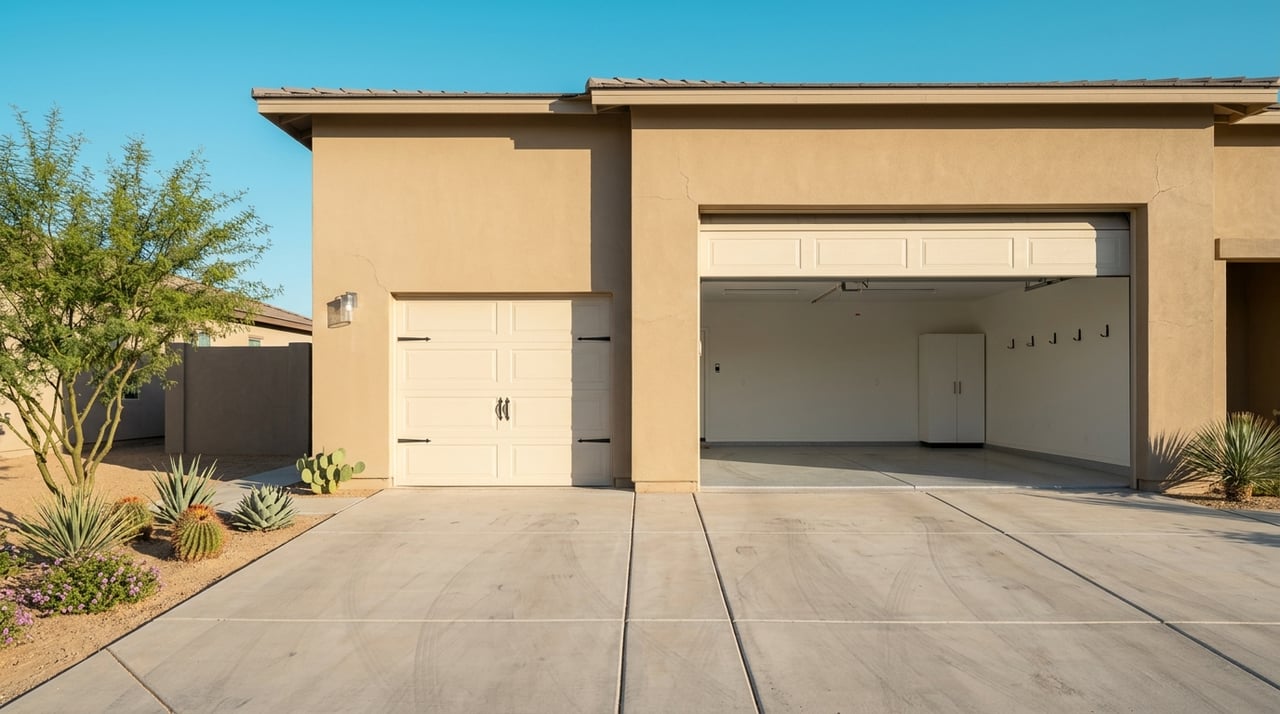
Need space for an RV, toy hauler, trailer, or side-by-side in the Foothills? You are not alone. In this part of Yuma County, storage-friendly lots and RV-capable properties stand out for a reason, especially with seasonal living patterns and easy access to outdoor recreation. If you are buying or selling, understanding what “RV garage” or “RV access” really means can help you avoid surprises and make a smarter move. Let’s dive in.
Why RV storage matters in the Foothills
The Foothills Planning Area sits east of the City of Yuma and is one of the most urbanized parts of unincorporated Yuma County. County planning materials identify it as a major center of residential growth with a mix of households, which helps explain why practical property features matter so much here.
Seasonality also shapes demand. Yuma County reports that the winter population grows by about 90,000 due to winter visitors, and the region sees a major seasonal increase from January through March. With nearby recreation areas like the Imperial Sand Dunes and the Arizona Peace Trail, it makes sense that buyers often look for lots with room for rigs, trailers, and outdoor equipment.
What buyers mean by toy storage
In the Foothills, “toy storage” can mean different things depending on the property. Some buyers want enclosed garage space for an RV or motorhome. Others are looking for a covered port, side-yard access behind gates, a detached metal building, or a paved area with hookups.
That is why broad listing terms can be misleading without more detail. A home can sound RV-friendly in marketing, but the real question is whether your specific setup can fit, park, and maneuver comfortably on the lot.
How Yuma County zoning affects RV properties
RVS zoning basics
Yuma County zoning plays a big role in how a Foothills property can be used. In the county’s zoning ordinance, the Recreational Vehicle Subdivision, or RVS, district is intended for subdivisions that accommodate RVs and manufactured homes.
Within RVS zoning, a parcel may have one single-family residence limited to a recreational vehicle, manufactured home, or site-built home. For older parcels zoned before May 1, 2023 that are at least 6,000 square feet, the ordinance allows one additional RV.
Accessory structures and lot standards
The ordinance also allows accessory garages, carports, storage sheds, walls, fences, and parking in the RVS district. It sets a 40-foot minimum lot width, 10-foot front setback, 7-foot side setback, 10-foot rear setback, 20-foot height limit, and 50% maximum lot coverage.
For newer RVS zoning, density cannot exceed five lots per acre. In practical terms, that standard can help explain why some newer Foothills areas have more controlled lot counts and more usable outdoor space.
RVP zoning is different
The Recreational Vehicle Park, or RVP, district is not the same as a typical residential lot. It is designed for RV parks, allows one RV residence per space, and permits garages, carports, storage sheds, walls, fences, signs, and parking as accessory uses under park standards.
If you are comparing two Foothills properties, this distinction matters. Similar-looking lots may fall under very different rules depending on the zoning district.
What “RV garage” can mean in a listing
Current Foothills listings use a wide range of terms, including “RV hookups,” “RV access,” “covered RV port,” “attached RV garage,” “double gates,” “oversized garage,” “metal building,” and “storage shed.” These terms do not all describe the same level of utility.
For example, “RV access” may simply mean gated access and enough room to stage a vehicle. “RV hookups” may mean utility connections are present, but not that there is enclosed storage. An “RV garage” could refer to an enclosed bay, a detached shop, or another type of accessory structure.
Yuma County also defines an “RV support structure” in the RVS district as a detached structure with at least 120 square feet and bath or laundry facilities, with setbacks governed by county code. Because of that, a listing term like “RV garage” may be marketing language rather than the exact zoning or permit classification. It is worth verifying how the structure is identified in the permit record for the specific parcel.
Features to look for when buying
When you tour Foothills properties, focus on specifics instead of labels. The right home for you depends on your rig size, turning radius, storage needs, and whether you want basic parking or a more functional workshop setup.
Here are some of the most useful details to confirm:
- Exact garage dimensions
- Door height and width
- Gate width
- Driveway width and layout
- Whether the pad is paved or otherwise improved
- Utility hookups on site
- Whether there is a separate electric meter
- Water or 220 service in a shop or metal building
- Space to maneuver a motorhome, fifth wheel, trailer, or toy hauler
Some current Foothills listings advertise features like a 26-foot covered RV port with hookups, a 24x52 RV garage or shop with a 13-foot roll-up door, attached RV garages, and large metal buildings with electric, water, and 220 service. Those examples show how much variation there can be from one property to the next.
Why driveway layout matters
Garage size gets a lot of attention, but access can be just as important. Yuma County says new homes and mobile homes require a driveway, one driveway is allowed per property, and single-family driveways must be 12 to 30 feet wide. Corner lots also have additional placement limits.
If a home fronts a paved county road, an encroachment permit and driveway apron may be required. That means a property with a large building still may not work well if the approach, angle, or gate placement makes backing and turning difficult.
Questions to ask before you buy
Before you rely on a listing description, verify the basics. Yuma County GIS provides planning area maps and zoning maps, and the county recommends checking with Planning and Zoning when you have questions about a parcel’s zoning district.
A few smart questions can save you time and money:
- What is the parcel’s zoning district?
- Is the property in RVS, RVP, or another district?
- Are the garage, port, shed, or shop permitted?
- How is the structure classified in the permit record?
- Are there hookups, and what utilities do they include?
- What are the exact measurements for the garage, doors, gates, and pad?
- Can your RV or trailer realistically enter, turn, and park on site?
What sellers should highlight
If you are selling a Foothills property with RV or toy storage, details matter. Buyers in this market are often comparing function, not just square footage.
The strongest listing descriptions are specific and easy to verify. Include exact dimensions, door heights, gate widths, utility details, whether there is a separate meter, and whether accessory structures or shade covers were permitted.
That kind of clarity helps buyers understand the value of the property faster. It can also reduce confusion during showings and inspections.
Be careful with added covers and pads
If you are considering improvements before selling or after buying, do not assume every shade cover or storage addition is exempt from permits. Yuma County says a fabric shade structure under 200 square feet may qualify for an exempt permit, while larger or different structures may require a full building permit with engineering.
The county also warns that unpermitted work can lead to fines, doubled permit fees, and an order to return the structure to its original condition. For buyers, that makes permit history an important part of due diligence. For sellers, it is one more reason to gather records before going to market.
How to think about Foothills RV properties
In the Foothills, RV garages and toy storage options are not one-size-fits-all. Zoning, lot layout, driveway design, access points, hookups, and permit status all affect how useful a property really is.
If you are buying, look past the headline terms and focus on fit, function, and verification. If you are selling, specific property details can help your home stand out in a market where storage features are a major draw.
When you want local guidance that puts clarity first, The Denovan Group can help you evaluate property features, market a home with the right details, and move forward with confidence.
FAQs
What makes RV storage so important in the Foothills?
- The Foothills has strong seasonal demand, steady residential growth, and access to outdoor recreation, which helps make RV-capable lots and storage-friendly properties a recurring priority for many buyers.
What does RVS zoning mean for a Foothills property?
- In Yuma County, the RVS district is intended for subdivisions that accommodate RVs and manufactured homes, and it also allows accessory garages, carports, storage sheds, walls, fences, and parking subject to county standards.
What is the difference between RV access and an RV garage in Foothills listings?
- RV access may mean gated side access or room to park, while an RV garage may refer to an enclosed bay, detached shop, or another accessory structure, so you should always confirm exact dimensions and use.
What driveway rules matter for RV properties in Yuma County?
- Yuma County says one driveway is allowed per property, single-family driveways must be 12 to 30 feet wide, and corner lots have added placement limits, so access and turning space should be checked carefully.
What should sellers include when marketing a Foothills home with toy storage?
- Sellers should include exact garage dimensions, door heights, gate widths, whether the pad is paved or improved, what hookups are present, whether there is a separate meter, and whether accessory structures were permitted.
Why should buyers verify permits for RV garages or shade structures in the Foothills?
- Yuma County warns that unpermitted work can lead to fines, doubled permit fees, and required corrections, so verifying permit status helps you understand the property more clearly before closing.