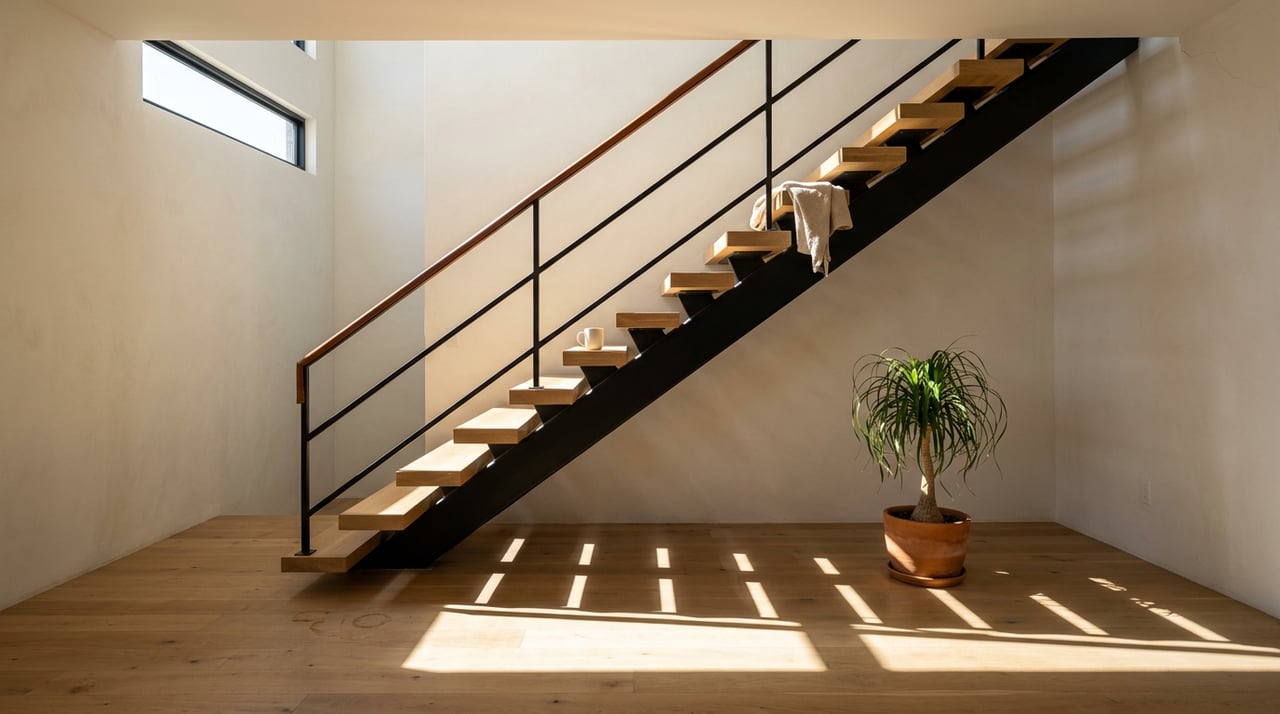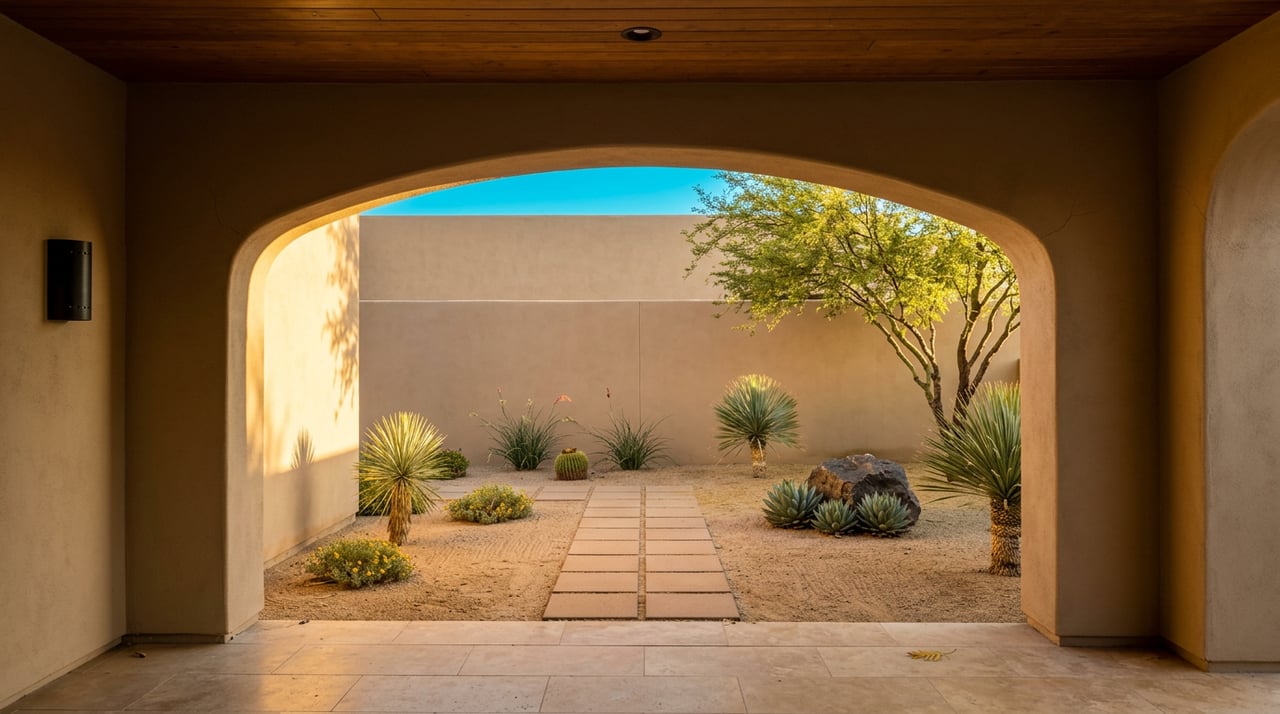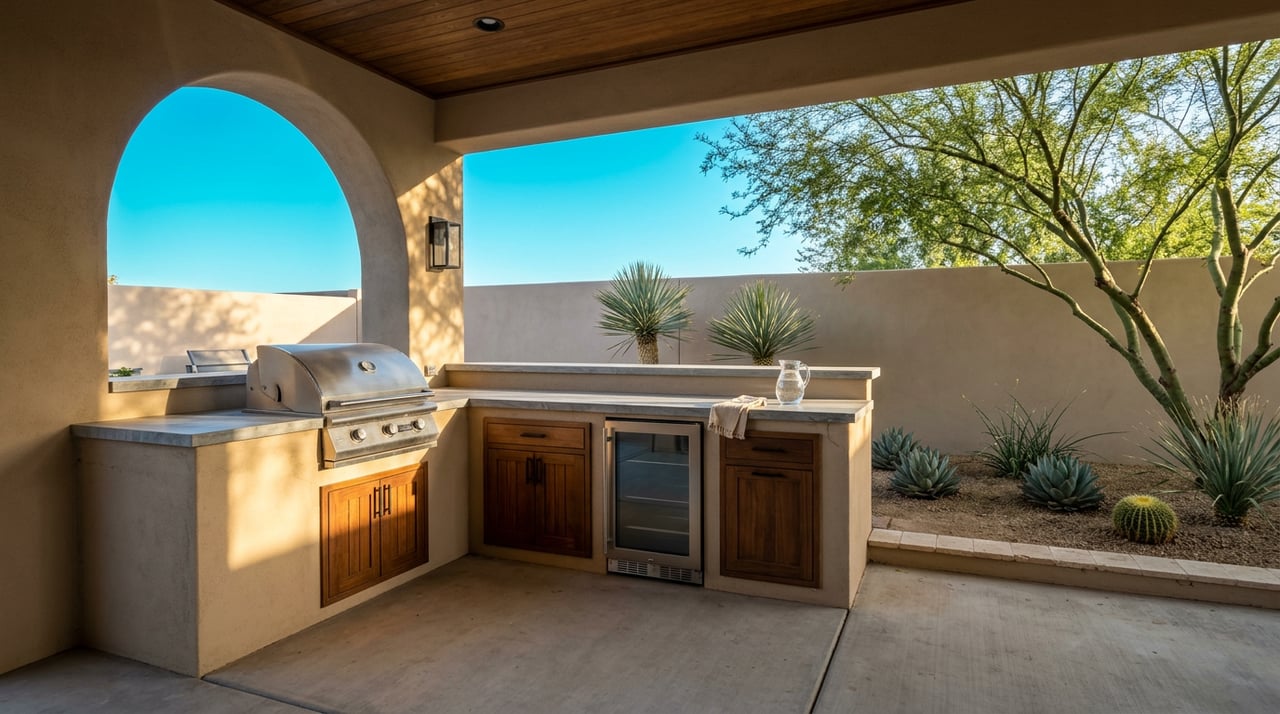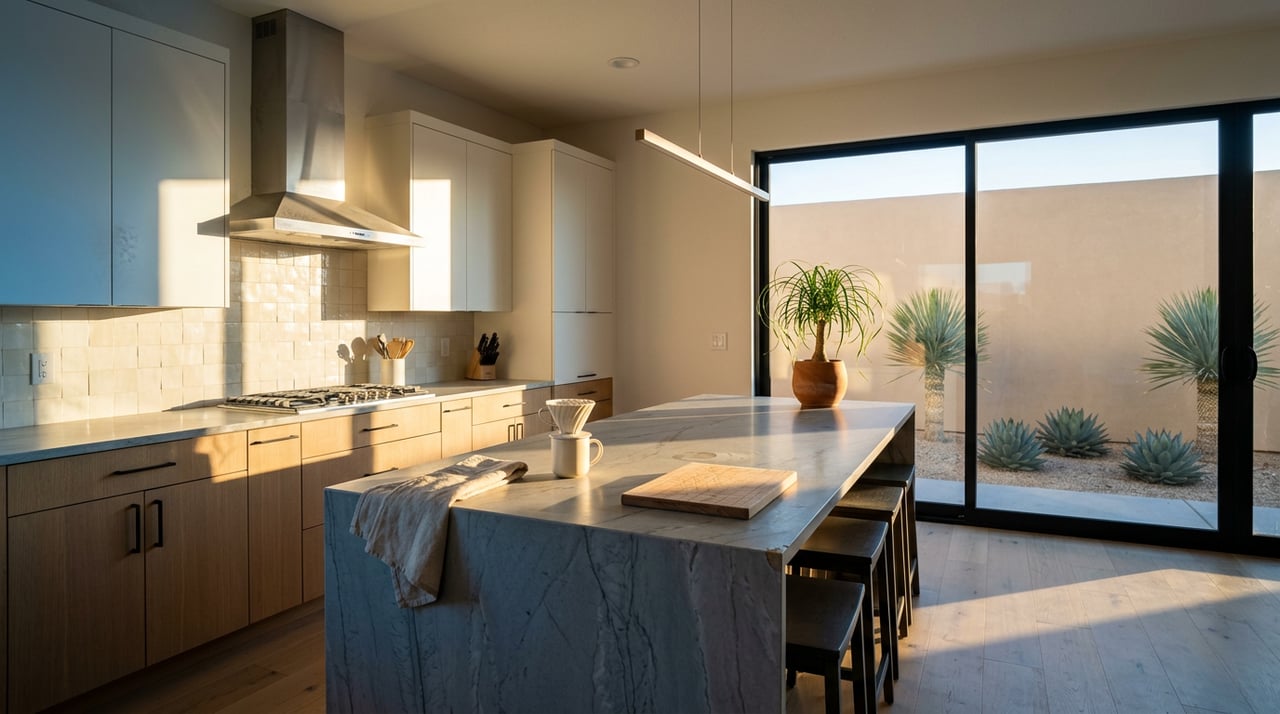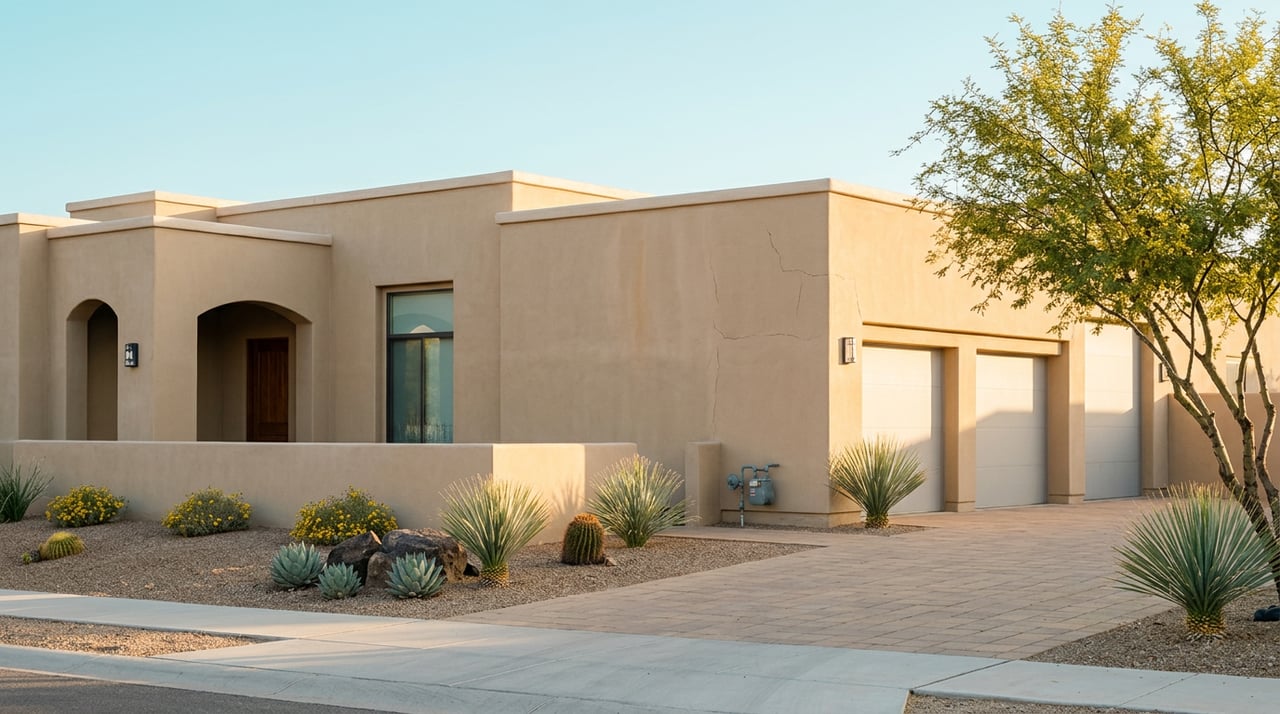
The listing photos show fairway frontage, casitas, three-car boat-deep garages, and lake sunsets. The portal blurbs call the neighborhood "highly sought-after" and "prestigious." Then you scroll to the market stats and the average Residential Estates home takes roughly 89 days to go pending, while the rest of Lake Havasu City is closing in 46 to 75.
That gap is the story. Residential Estates is not slow because demand is soft. It is slow because "Residential Estates" is a zoning designation wrapped around two golf courses, not a subdivision with a comp set, and buyers who understand that are taking their time on purpose.
The 89-day gap, in context
Every major aggregator agrees the broader Lake Havasu City market is balanced right now. Over the three months ending April 2026, the citywide median was about $500,000 with 46 days on market. Movoto's June 2026 read put the median at $499,000 and 75 days on market. Houzeo's March 2026 snapshot showed 53 days, a 97.08% sale-to-list ratio, and 3.5 months of supply. The Mohave County mid-year guide dated June 2026 has Lake Havasu medians pushing to roughly $520,000 at about $315 per square foot on summer demand.
Residential Estates does not sit inside those numbers cleanly.
| Metric | Lake Havasu City | Residential Estates |
|---|---|---|
| Median days to pending | 46 to 75 | ~89 |
| Sale vs list | ~97% | ~96% |
| Median sale price | $499K to $520K (mid-2026) | Blended across cottages to $2M+ estates |
| "Hot home" pending | ~10 days | ~25 days |
Same city, same buyer pool, same rate environment. The only thing that changes across that boundary line is the product itself, and that is where the friction lives.
Why "Residential Estates" doesn't behave like a subdivision
Most Lake Havasu neighborhoods that get a proper name on the map are Planned Unit Developments. The Refuge is a PUD. Havasu Foothills Estates is a PUD. Sailing Hawks, Canterbury Estates, North Pointe, Havasu Riviera. Each one has a defined boundary, a governing document, a builder pattern, and a fairly narrow band of house sizes and lot shapes. That makes them easy to comp.
Residential Estates is a zoning classification, not a PUD. It is the R-E designation, and it applies to the pocket of Lake Havasu City that grew up around the 36 holes of the Lake Havasu Golf Club and the London Bridge Golf Course in the south-central part of town. What R-E zoning gives you in practice:
- Larger lots with meaningful setbacks and easements
- Underground utilities on nearly every street
- Natural gas service, which most of Lake Havasu does not have
- The option to build two stories, which the city restricts elsewhere
- No PUD covenants dictating exterior style, roof pitch, garage orientation, or landscape
That last bullet is the whole ballgame. A neighborhood with no design covenants and 60 years of continuous building will contain a 1,168 square foot golf cottage next door to a mission-style estate with a Pebble Tec pool, next door to a 7,755 square foot legacy home on 1.36 acres surrounded on all sides by fairway. All three carry the same neighborhood label on the MLS. None of them are comps for each other.
What the Residential Estates median actually blends
If you pull recent inventory in the R-E zone and sort by what is actually on the ground, you get four rough tiers stacked under one heading:
- Original golf cottages, roughly 1,100 to 1,700 sq ft. Three bedrooms, two baths, split floor plan, tile roof, natural gas fireplace, updated kitchens. Many sit on Palmer Drive, Inca Drive, Paseo Granada, and the streets running along the 13th and 17th fairways.
- The Hagen Way villa enclave. A 17-unit run of mid-century modern attached homes on the 12th green with private courtyards, misting-system lanais, and end-unit premiums. This is its own micro-market and comps against itself.
- Custom single-family homes, roughly 2,000 to 3,500 sq ft. Pool, spa, three-car garage, boat-deep bays, casita in the back. This is what most out-of-state buyers picture when they hear "Residential Estates" and it is the widest tier.
- Legacy estates on half-acre to acre-plus lots. Santa Fe and mission-style architecture, lake and sunset views over the golf course, some approaching or exceeding $2M. These trade infrequently and skew the top of the average.
Blend those four tiers and the neighborhood median is a number that describes almost none of the homes actually selling.
The transaction friction that catches out-of-area buyers
This is where the 89-day DOM starts to explain itself.
Comping is genuinely hard. An appraiser working a Palmer Drive cottage cannot lean on the mission-style estate two blocks over, and the villa on Hagen Way is not a comp for the tuck-under home backing to a wash. Local appraisers know this. Out-of-state buyers relying on a Zestimate or a portal-generated "value" often show up with an offer built on a citywide average and find themselves 8% to 12% off the fairway-specific number in either direction.
View premiums are hyper-local and non-linear. A lake view from an elevated Residential Estates lot commands a real premium. A golf-course-only view is priced separately. A lot on the 13th fairway does not comp to a lot on the 17th, because one looks into a bunker and the other looks into a sunset. The MLS description will say "golf course views." The price will reflect which hole.
The R-E zoning itself gets priced. Two identical stucco houses, one inside the R-E line with underground utilities and natural gas and one just outside it on propane and overhead wire, will not carry the same price. Buyers coming from markets where zoning is invisible often miss this.
Sellers with heterogeneous product test the market harder. In a subdivision, a seller who lists 6% over the last comp gets punished quickly. In Residential Estates, that comp may not exist, so sellers stretch pricing on the theory that the right buyer will come. The result is a longer DOM and a sale-to-list ratio that runs about a point below the city average.
None of this is dysfunction. It is what a heterogeneous zoning-defined market looks like in a balanced rate environment. The 89 days is the deliberation, not the discount.
How to read a Residential Estates listing before you fly out
For buyers working from out of state, three habits change the math:
- Ask for tier-specific comps, not neighborhood comps. Cottages against cottages, custom homes against custom homes, villas against villas. If the CMA you receive blends all four tiers, it is not usable.
- Confirm the R-E line on the parcel map. Some streets sit inside the zoning boundary and some sit a lot away. Natural gas at the meter is a fast tell.
- Price the view separately from the house. Fairway number, elevation, and lake-line-of-sight are three different premiums stacked on top of the base. Ask the listing agent to break them out.
For sellers already inside the R-E line, the same asymmetry cuts the other way. A well-prepared listing with a tight comp packet, a defensible view premium, and an appraiser-ready file can close well inside the 89-day average. A listing that trusts the neighborhood median to do the work will sit.
FAQ
Is Residential Estates a gated community? No. Unlike The Refuge or Havasu Foothills Estates, the R-E area is not gated and not governed by a PUD. It is a zoning classification covering the streets around the Lake Havasu Golf Club and the London Bridge Golf Course.
Do all Residential Estates homes have natural gas? Almost all do. Natural gas service is one of the practical benefits of the R-E zoning, along with underground utilities. Confirm at the meter before writing an offer.
Why does Redfin show a longer days-on-market number for this neighborhood than for the city? Because the inventory is more heterogeneous. A single neighborhood label covers cottages, villas, custom homes, and legacy estates, and buyers take longer to sort them. It is a product-mix effect, not a demand problem.
Are the two golf courses public or private? The Lake Havasu Golf Club runs 36 holes across the Desert West and Desert East courses, open to the public with the Lake View Grill on site. The London Bridge Golf Course is a separate facility on the north side of the R-E footprint.
If you are working a Residential Estates offer from out of state, or preparing to list one, the number that matters is not the neighborhood median. It is the fairway-specific comp, the view stack, and the R-E line on your parcel map. Sam Denovan and the Denovan Group build every Residential Estates CMA that way, and every closing routes a portion of commission to a client-chosen local charity through Sold On Giving. Get a Free Home Valuation and we will send back a tier-matched comp set, not a citywide average.